

Is San Pedro / Wachuma Legal in Canada?
No. San Pedro (aka “wachuma”) contains mescaline, which is prohibited in Canada under Schedule III of the Controlled Drugs and Substances Act.
This prohibition extends to all mescaline-containing cacti, except peyote, which is explicitly exempted. Although anecdotal reports suggest that the prohibition of San Pedro is not rigorously enforced in Canada.
San Pedro can only be used legally in cases where Health Canada grants a s. 56 exemption request.
What is San Pedro / Wachuma ?
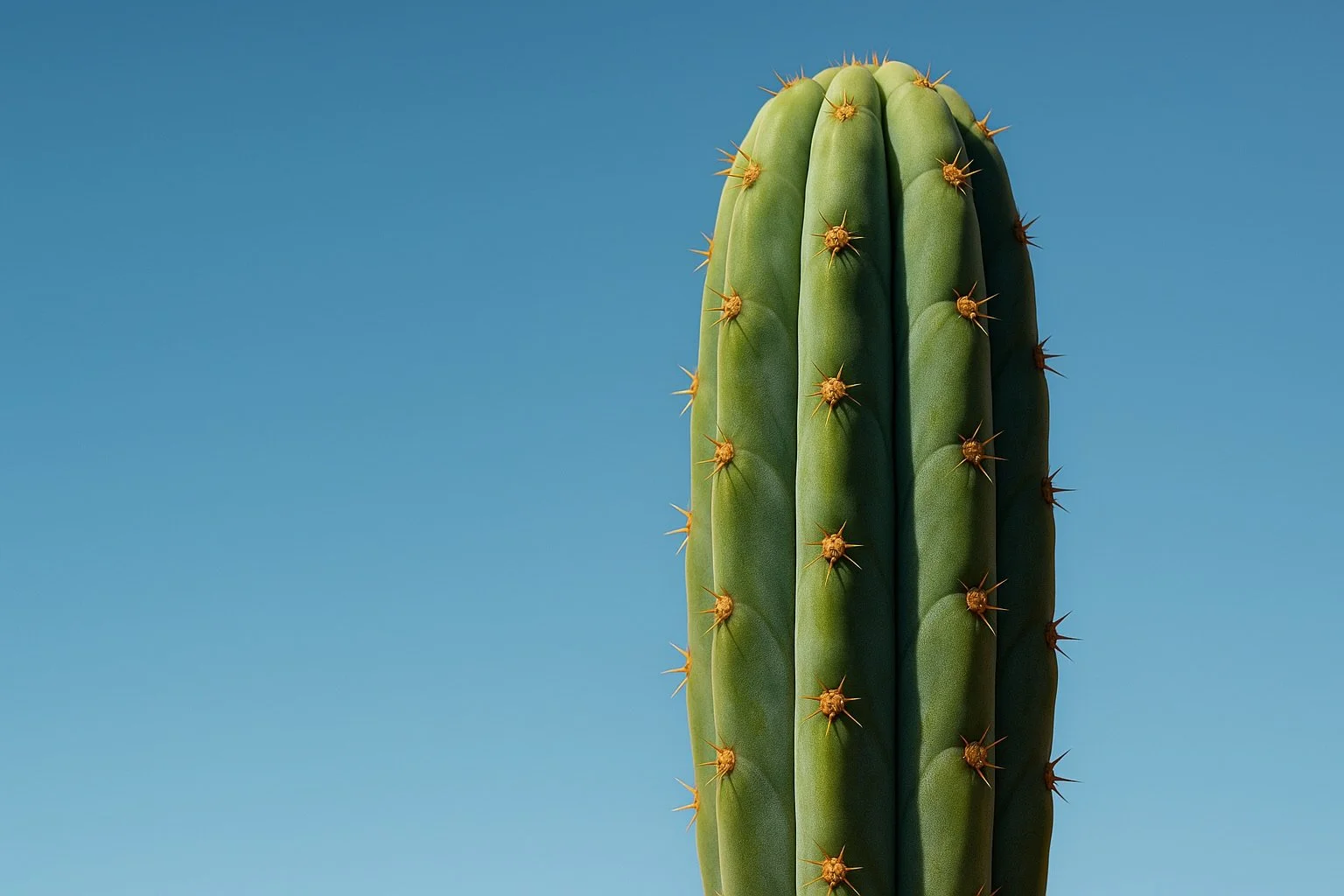
San Pedro, also known as “wachuma”, is a tall cactus native to the Andes. It contains the hallucinogenic compound mescaline.
Mescaline’s effects have been described as similar to that of psilocybin and LSD in some respects, including altering one’s sense of time and pattern recognition. In other respects, such as one’s experience of reality and immediate setting, it’s said to operate very differently upon perception.
Wachuma is typically ingested as a dried powder or tea. It has been used for thousands of years in Andean traditional medicine. Unlike peyote, wachuma is not considered a species vulnerable to extinction at this time, so its use by non-Indigenous persons is less controversial.
Medical or Therapeutic Use?
Research on the therapeutic use of mescaline is limited, especially as compared with other psychedelic substances.
Anecdotally, some have suggested that using mescaline in naturalistic or religious settings may have therapeutic benefits, including improved mental wellbeing and the ability to overcome alcoholism.
Stay updated on the firm’s work and psychedelic law developments in Canada and elsewhere.